

Cost to Replace Gutters and Downpipes
The cost of replacing gutters and downpipes is determined by a few factors. Included in this are the size of the system, the material used and whether gutter guards are installed.
Gutter systems direct water away from your home. This stops soil erosion as well as basement flooding. They also prevent staining brick and siding. They also help prevent ice damming and rotting fascia.
Materials
Gutter and downspout systems can help protect the foundation of a house from water damage. They channel rainwater away from the roof, siding and windows to protect them from structural damage. They are also essential for stopping basement flooding, erosion and foundation failure. Maintenance of gutter systems involves cleaning and replacing damaged or blocked gutters on a regular basis.
Gutters and downspouts can be found in various materials such as galvanized steel copper, aluminum, and. Each type has distinct advantages and disadvantages. The material you choose should be based on your requirements in terms of durability, cost, and maintenance. Think about the style and color and also how they complement the exterior of your home.
Clogs from pine needles leaves and shingle grit are the main reason for gutter failure. When clogs develop, rainwater is unable to flow through the gutter. It is pushed over the fascia and soffit. This can lead to mould, rot, and sagging. In some instances water can spill over drains and collect close to the foundation.
Downspouts must drain water at about 4 to 6 feet from the foundation. Install them on a slope so that soil and debris do not build up close to the foundation. If the grading isn't ideal it is possible to use a downspout extension to divert the water away. They are available in a variety of lengths and at different prices.
The gutter system should be sealed to prevent water from getting into joints and seams which can cause corrosion or rust. Most hardware stores offer silicone sealants which is a good option. Metal flashings can be installed to safeguard the structure from water damage.
While it is possible to replace a portion of your gutters on your own however, the effort involved in removing and hauling away the old gutter can add up to a significant cost. Hiring a professional will yield the most efficient results and save money. Gutter installation experts can recommend the most suitable materials for your home and assist to install a seamless gutter system that will last for many years to be.
Downspouts
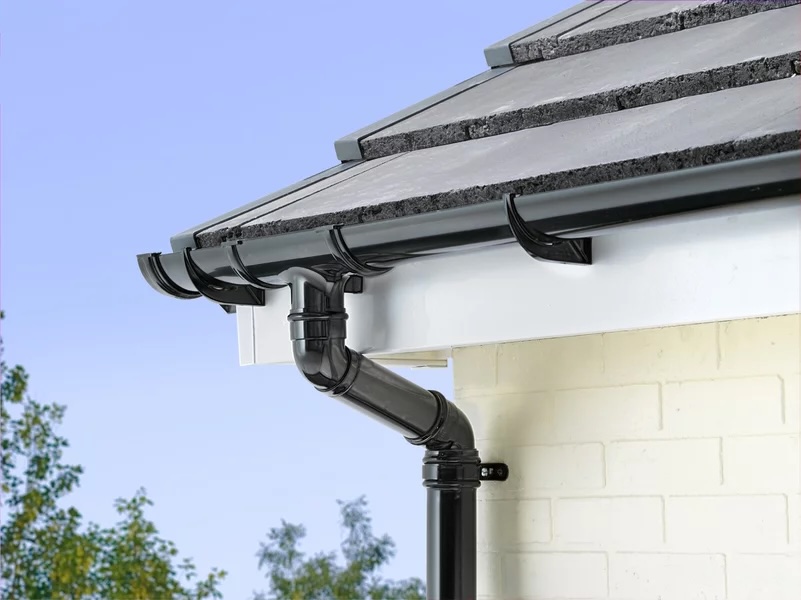
Gutters are only as efficient as their downspouts which allow the water to go away from your foundation to prevent foundation problems and soil erosion. Downspouts can be made from the same material as gutters and come in many styles and colors. They are usually round, however, they can also be square or rectangular to fit different roofs. They have features that help direct the discharged water. For instance they could have a slight bend at the bottom or a diverter that can be connected to an underground drain, a runoff water drain, or a rain-barrel.
Gutter downspouts may be clogged with debris like leaves or twigs as well as pebbles, which is why they must be cleaned and inspected regularly for leaks and rust. A gutter company will examine your downspouts, and repair them if they are damaged. They can also recommend extensions to your downspouts and other water drainage systems to help manage the flow of water in areas that receive frequent heavy rainfall.
Be aware of the pitch of your roofing and the average rainfall for your area when deciding how many downspouts you will need to install. The general rule is to have one downspout per 40 feet of gutter. This will avoid clogs, overflow and flooding damage. It is recommended to install more downspouts if live in an area with heavy rainfall.
Downspouts are available in a variety of materials including vinyl (PVC) and aluminum, galvanized steel and copper. The most effective downspouts will be durable lightweight, light, and weather resistant. Choose downspouts that have an even, smooth, surface to prevent clogging or rusting. They should also be easy to install. If you choose to do it yourself, make sure that you use the right tools and follow all safety guidelines when working at heights.
While it is possible to perform downspout installation by yourself, it's better to leave the work to an expert. A professional gutter installer will save time and money by making sure that your downspouts are installed and functioning correctly. They can also evaluate the condition of your gutters, including cracks, dents, and gaps. They can also check your gutters for signs of rust, peeling paint, and structural issues.
Heat tape
Gutter systems are an essential element of your home's drainage system. They direct rainwater away and protect against damage from water. Gutters wear out due to exposure to the elements as well as temperature fluctuations and debris accumulation. Cleaning and inspecting regularly your gutters is the most effective method to ensure their health. If you find that your gutters leak then it's time to think about replacing them.
Sealing the seams with gutter sealant can repair leaky gutters. It is available in home centers, lumberyards and full-service hardware stores. Use a caulking tool ensure that the sealant is applied properly. The sealant must be applied on both sides of the gutters to stop water from getting away and damaging the exterior of your house and foundation.
Installing new gutters can be a rewarding and difficult DIY project. There are many factors to be taken into consideration, including the slope, size, and material of your roof. Guttering Specialist gravesend RepairMyWindowsAndDoors is also important to consider your climate. For instance, if it snows often in your area, you might need to install a larger gutter and downpipe to avoid ice dams.
After you've purchased your downpipes and gutters it is crucial to ensure that they're installed correctly. First, you need to measure from the corner of your home to the downspout location. Make sure that the downspout is at least four feet from the foundation of your home and away from obstacles such as electric meters, hosebibs, and sidewalks.
Install the downpipes and connect them to gutters using elbows and connectors. You can also install a downpipe stub if you want to connect the downpipe to a water butt for rainwater harvesting. If you're uncomfortable installing gutters on your own, it's a great idea to hire a professional.
To ensure that your gutters and downpipes are properly placed it is essential to follow the installation instructions of the manufacturer. It is also recommended to clean your gutters twice a year to get rid of any leaves or debris that could cause obstruction to the flow. Installing gutter guards is also an excellent idea to avoid the accumulation of leaves and other debris.
Wire mesh screens
Gutters and downpipes play a vital role in keeping water from entering the home. However they can only be effective if they are kept free of any debris. In addition, gutters should be inspected for the proper slope and connections to avoid clogging and overflow. This will help make your gutter system last longer and ensure that the water flows in the way it should.
A wire mesh screen is more than a way to keep bugs out of your home and let air in. It's also a great choice to improve the look of your home or business. Screens are available in different sizes and materials. It's important to select the best one for your needs. When choosing a screen, there are a variety of factors to consider in addition to the size of the mesh, strand size, and material.
Wire cloth, also known as woven wire mesh, is a versatile and durable product that is available in a variety of specifications. The material is utilized for a wide range of applications in industries like animal facilities and petrochemical plant manufacturing to filter water or separate components. The wires are tightly weaved into an envelop that is safe and sanitary.
Aluminum mesh and plastic are used in many applications in the residential sector, including foundation vents, soffit vents, and gutter guards. They keep birds, rodents and other critters out of crawl spaces and attics while allowing air to circulate, reducing the risk of mildew, mold, rot and fire. They are also light and resistant to a wide range of chemical bases, solvents, and acids which makes them the perfect choice for a variety of industrial and DIY applications.
Using silicone spray on gutter joints helps ensure the correct seal and protection, while downpipe adaptors can be used to connect the downpipe to drainage pipes or water butts. Gutter guards are a great way to prevent blockages and avoid the need for frequent cleaning. In addition connecting a downpipe with a rainwater butt is a great method to recycle water and cut down on water bills. These steps can help create a gutter that is efficient and durable, so that your home is able to withstand any storm.